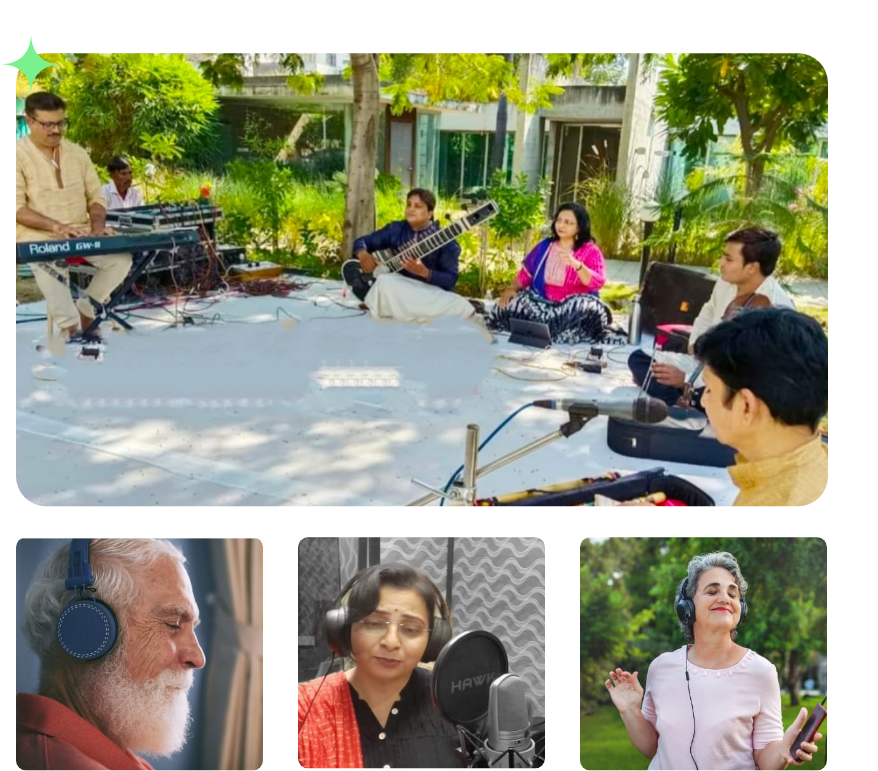
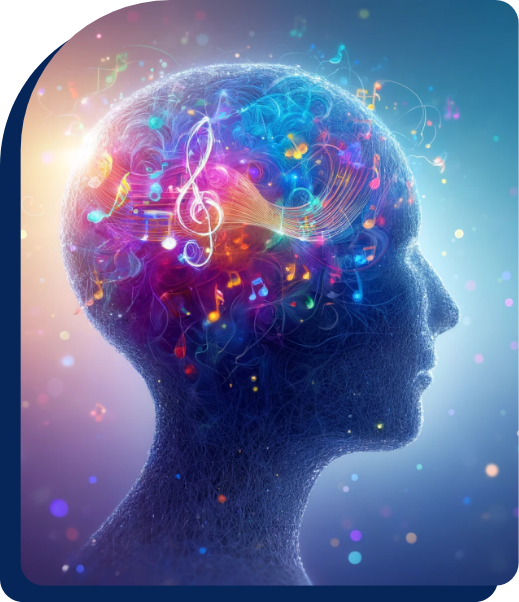
Emotions are not disturbances; they are energetic signals. Suppressed emotions manifest as anxiety, stress, digestive disturbances, sleep disorders, and chronic fatigue.
Each raga embodies a specific Rasa (emotional essence). When introduced at the correct time and tempo, the raga entrains the listener’s emotional field, allowing blocked emotions to surface, resolve, and reintegrate naturally.
Human neurochemistry follows a circadian rhythm. Indian classical music evolved with this biological rhythm.
Ragas performed at their prescribed time amplify therapeutic impact while minimizing emotional resistance.
Therapeutic Intent: Emotional grounding, optimism, mental clarity
Emotional Challenges in the Morning:
Emotional Healing Process: Bhairav stabilizes fear and uncertainty. Todi allows release of deep sadness. Bilawal gently introduces joy and confidence.
Expected Outcomes: Calm alertness, emotional resilience, positive orientation toward daily activity
Therapeutic Intent: Emotional balance, stress regulation, endurance
Emotional Challenges in the Afternoon:
Emotional Healing Process: Patdeep cools emotional heat. Multani restores emotional depth without heaviness. Madhuvanti nourishes emotional sensitivity.
Expected Outcomes: Reduced stress response, sustained focus, balanced emotional reactions
Therapeutic Intent: Emotional release, subconscious calming, deep rest
Emotional Challenges at Night:
Emotional Healing Process: Yaman provides emotional warmth. Bageshri comforts grief. Darbari releases deep-rooted fear and anxiety.
Expected Outcomes: Emotional catharsis, nervous system relaxation, restorative sleep
Consistent raga therapy creates emotional literacy.
Listeners learn to recognize, process, and regulate emotions without suppression.
Raga Music Therapy is not entertainment. It is an emotional medicine that restores harmony. Wellness emerges naturally when emotion, sound, and time align.